|
 Holidaying
/ Business Travel / Skiing Holidaying
/ Business Travel / Skiing
This type of traveller almost always travel to a location
with good access to medical facilities such as hotels and
resorts. Any medicines required during travel would probably
be readily available locally.
Although this category will be usually apply to travel to
a European, North American, etc. resort, it is also appropriate
for more exotic locations such as Mexico, Kenya or Thailand
where the accommodation consists of high class, air conditioned,
resort hotels with modern facilities.
The same applies to business travellers who intend confining
their travels to cities with modern hotels and conference
facilities. However, you should still check the local vaccination
and malaria requirements for your destination country since
this may not be the same as a European resort.
Since the vast majority of skiiing holidays take place in
ski resorts and are a world apart from the traveller who goes
trekking in mountanous regions this would be the appropriate
category. However, for those more adventurous travellers who
intend skiing into remote mountain areas, the mountaineering
or trekking option would be more appropriate.
Most hotels and resorts will have access to a doctor and/or
a local pharmacy where any medicines needed could be obtained.
However, it would still be a good idea to take a basic supply
of medicines in case they are needed in a hurry.
These would include:
- Paracetamol
tablets - reduces pain and fever.
- Ibuprofen
tablets - Anti inlammatory pain killer (works very well
when taken together with Paracetamol).
- Loperamide
(Imodium) capsules - diarrhoea.
- Dioralyte
sachets - Rehydration powder following travellers diarrhoea.
- Cinnarizine
(Stugeron) tablets - Travel sickness - especially if travelling
with kids.
- Antihistamine
tablets (cetirizine, fexofenadine) for mozzy bites.
- Hydrocortisone
cream - for mozzy bites.
A few
basic first aid items like some sticking plasters and an antiseptic
cream would also be useful.
Carry the items in your hand luggage (except for the creams)
on the plane in case they are needed during the flight.
 Backpacking Backpacking
Backpackers will be assumed to be travelling through a region
using the public transport infrastructure of that region and
mainly staying in accommodations in villages, towns and cities
with greater interaction with the local population and staying
in hostels rather than resort hotels.
Being more self reliant, all the medicines listed in the above
option would probably be required but in larger quantities.
However backpackers will be conscious of the need to keep
the weight they are carrying to a minimum. They should be
selective as to which medicines they carry and they may also
be able to get supplies from the towns and cities they visit
on their travels.
Other medicines to consider are:
- Antacid
tablets - Rennies or Setlers
- Decongestant
tablets - Pseudoephedrine (Sudafed)
- Laxative
tablets - Dulcolax
- Anti-Nausea
tablets - Buccastem
- Antibiotics
such as Cirofloxacin for severe bacterial diarrhoea but
requires a prescription in the UK.
Whenever
you’re passing through a town or city to reach somewhere
more remote, its worth topping up any last minute supplies.
 Safari
/ Long Term Safari
/ Long Term
These
options also assume that you will require a greater degree
of self sufficiency during your trip and will therefore require
a greater quantity of the medicines which were listed in the
first two options. This would also depend on the duration
of the trip and number in the group.
The medicines required are pretty much the same as with backpacking
but the weight constraints do not apply.
The safari option here is aimed at private safaris organised
in the destination country itself rather than the organised
safaris run by many of the major tour companies from resort
hotels.
Local safari companies may have limited supplies or will be
able to recommend any special requirements and where to obtain
them.
The long term option is for volunteer workers, missionaries
etc. who will have a greater degree of interaction with the
local population and will not be using high class hotels etc.
exclusively for their accommodation. Recommended vaccines
plus extra for long term travel are necessary.
For someone intending to stay for a prolonged period, you
should seek out the local medical facilities. You may need
to obtain other medicines such as antibiotics whilst you are
away. It may be possible to obtain antibiotics before you
travel but you would need to get a prescription from your
doctor to obtain them in the UK. Some antibiotics can be purchased
in pharmacies in other countries.
A good comprehensive first aid kit would be essential. A sterile
kit may also be usefiul in this instance.
 Trekking/Mountaineering Trekking/Mountaineering
These are the expedition type holidays where the destinations
include the remote regions of the world which are very often
mountainous regions. These trips usually involve a relatively
high degree of exertion and self sufficiency.
There are several companies that organise group tours to remote
locations such as trekking in the Nepal Himalayas, the Inca
Trail, ascent of Kilimanjaro etc.
Organised trekking expeditions may have already arranged for
your medical requirements. It is always a good idea to check
this with the organisation involved before you travel. You
could even take some of your own medicines "just in case".
Backpackers
travelling to remote regions would be better suited to this
option rather than the previous.
Because of the need for greater self sufficiency and not having
access to medical facilities in remote locations plus the
added danger of physical injury it would be necessary to include
extra medications over and above those in the previous groups.
These would include:
- Stronger
pain killers - e.g. Tramadol
- Antibiotics
- e.g. Amoxycillin (Erthromycin for those with penicillin
allergy).
- Altitude
acclimatisation - Acetazolamide (Diamox)
These
medicines will require you to get prescriptions from your
GP or a travel clinic. You should discuss your travel plans
and requirements with a doctor before you travel.
The extra physical exertion could also lead to the development
of aches and pains or even blisters on your feet. Including
creams or ointments for this would be a good idea e.g. Deep
Heat, Ibuleve, Voltarol, Movelat etc.
The extra physical exertion especially in a hot climate will
result in sweating and a loss of salts from the body. These
can be replaced by using oral rehydration powder like Dioralyte
which contains sodium and potassium salts. Also staying hydrated
at altitude is vitally important for the acclimatisation process.
Professional expeditions will almost certainly have an expedition
doctor who will be responsible for the medical requirements
of the team.
 Cycling
/ Mountain Biking Cycling
/ Mountain Biking
This option will be fairly similar to the previous in
that it will assume a relatively high degree of exertion and
self sufficiency. Although cyclists on the whole tend not
to go into such remote locations as mountaineers, they do
have the ablity to travel long distances quite quickly and
can find themselves far from medical help in a relatively
short space of time. Any subsequent injury that required hospitalisation
could then become a serious problem if they were unable to
return by bike to get to a hospital. The journey back could
take far longer than anticipated.
The required medicines would be similar to the Safari/Long
Term option plus some of the Trekking option, depending on
the remoteness of the intended journey.
Canoeing / Rafting
Again this will be quite similar to the previous option but
will also take into account the fact that the travellers will
be exposed to local water sources such as rivers & lakes
etc.
The kind of rafting here would be the long distance expeditions
into remote areas rather than the organised day trips for
a few hours white water rafting on local rivers.
Sometimes river expeditions can travel into remote places
where it is difficult to get access other than by river. This
should be taken into account when deciding how long it would
take to get an injured person to hospital. In some instances
it may be possible to air lift the casualty out by helicopter
although this may not be an option in some countries or locations.
Be aware of any water borne diseases endemic to the area you
are travelling in. Biting insects are often plentful around
water so make sure you use appropriate repellents. Sunburn
can also be a factor since you may be unaware due to the cooling
effect of the water. Always cover up in strong sunlight.
Eye infections can be an issue due to getting water into your
eyes. Chloramphenicol eye ointment/drops would be a useful
addition to your medical list.
 Scuba
Diving Scuba
Diving
This option also assumes a relatively high degree of self
sufficiency. However, most organised dive tours will have
made arrangements for medical facilities and requirements
will not be so great on this type of trip as they would if
you were organising your own expedition. Again, it is wise
to check before travelling.
If you are diving out of a hotel resort with a dive centre
then the first option (holidaying etc.) would probably be
more appropriate.You can always modify the list of medicines
according to the facilities made available by the tour operator.
Problems with ears and sinuses are common amongst scuba divers
due the immersion in sea water and the subsequent changes
in pressure during diving. The addition of ear drops such
as Otomize Ear Drops or similar and a decongestant like pseudoephedrine
(Sudafed) should be included ion your list.
Divers and snorkellers should always flush out their ears
with fresh water following a dive. This will hopefully prevent
any problems developing.
One of the biggest hazards to health whilst scuba diving are
decompression accidents such as decompression illness and
burst lung. The only treatment for these life threatening
conditions is recompression in a hyperbaric facility (known
as a pot). Diving in remote locations will mean there is no
immediate access to a pot and travelling long distances to
reach one by boat may take a long time when immediate treatment
is essential.
Therefore, adequate training in scuba diving and carrying
out of correct decompression / safety stops following a dive
is an absolute must!
|
 All
global travellers
or holidaymakers should carry some sort of medical kit when
they are travelling abroad, but determining the size and contents
of the kit can sometimes be a problem since there are literally
dozens of medicines from which to choose.
All
global travellers
or holidaymakers should carry some sort of medical kit when
they are travelling abroad, but determining the size and contents
of the kit can sometimes be a problem since there are literally
dozens of medicines from which to choose.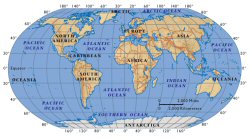 Knowing
which medicines to include and which to leave out depends
on several factors such as; What kind of travel, the destination,
the number of people travelling and the sort of activities
you will be involved in.
Knowing
which medicines to include and which to leave out depends
on several factors such as; What kind of travel, the destination,
the number of people travelling and the sort of activities
you will be involved in.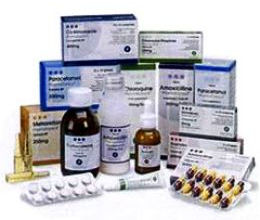 The
duration of your trip (in days) and the number of males
and females travelling in your group would be a factor if
you were travelling for an extended period to a remote location.
The
duration of your trip (in days) and the number of males
and females travelling in your group would be a factor if
you were travelling for an extended period to a remote location.